

A brief history of Morocco

Prehistory
Human presence in Morocco goes back a very long way. In the Neolithic, when the south was still savannah rather than desert, the region was home to hunters and herders who developed farming, livestock and the first villages.
Antiquity
The Phoenicians founded trading posts on the coast in the 1st millennium BC, followed by the Carthaginians. The first Berber kingdoms, such as Mauretania, arose at this time. Rome annexed the region in AD 40 and divided it into Mauretania Tingitana, with cities such as Tingis (Tangier), Lixus (Larache) and Volubilis, and Mauretania Caesariensis further east. The word “Berber” comes from the Greek and Latin barbarus, “foreigner”; Berbers call themselves Imazighen, “free people”.
The Middle Ages
With the arrival of Islam in the 7th–8th centuries, the region became Muslim. Idris I founded the Idrisid dynasty and his son Idris II developed Fes. Great Berber dynasties followed: the Almoravids (11th century), who founded Marrakech and ruled from the Sahara to al-Andalus; the Almohads (12th century), with an empire from the Maghreb to Andalusia; and the Marinids (13th–15th centuries), with Fes as their capital, followed by the Wattasids.
The early modern period
From the 15th century Portugal and Spain occupied several coastal towns, and Morocco took in Muslims and Jews expelled from the Iberian Peninsula. In the 16th century the Saadians, from the Draa Valley, reunified the country; their most famous sultan was Ahmed al-Mansur. In the 17th century the Alaouite dynasty, from Tafilalt, came to power and still reigns today.
The 20th and 21st centuries
In 1912 Morocco became a French protectorate, with a Spanish zone in the north (capital Tetouan) and the Tangier International Zone. In the 1920s the Rif War, led by Abdelkrim el-Khattabi, ended after the Al Hoceima landing (1925). Sultan Mohammed V supported the nationalist movement, was exiled in 1953 and returned in 1955: Morocco became independent in 1956. He was succeeded in 1961 by his son Hassan II, whose reign saw the 1975 Green March into Western Sahara, a territory whose status is still the subject of a UN process. Since 1999 the king has been Mohammed VI, who has introduced reforms such as the new family code (2004) and the 2011 Constitution.
Tips for travelling in Morocco
- Currency: the dirham (MAD) can only be exchanged in Morocco; one euro is worth about 10–11 dirhams. Change money at the airport, banks or exchange offices.
- Payments: cards are accepted in many hotels and restaurants and ATMs are widespread, but always carry some cash.
- Dress: there are no imposed rules, but modest clothing is appreciated, especially in the medinas and at religious sites.
- Bargaining: normal in the souks; learn to tell handmade crafts from factory goods.
- Transport: modern trains and buses link the cities; taxis are widely used (agree the fare or ask for the meter).
- Medinas: many areas are off-limits to cars and it is easy to get lost; ask your riad for directions if you return at night.
- Riads: staying in a riad, a traditional house with a central courtyard, is a must.
- Guides: official guides are licensed; in the medinas a guide saves time.
- Climate: in summer the south exceeds 40°C; the rest of the year bring something warm for nights in the desert, the Atlas and on the coast.
- Water: drink bottled water.
- Documents: check the requirements for your nationality (see our visa guide).
Amazigh (Berber) culture
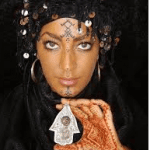
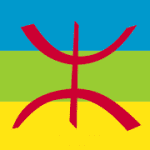
The Amazigh are a group of peoples who share related languages, known as Tamazight. In Morocco they live mainly in the Rif, the Atlas and the Saharan south. Their culture predates the arrival of the Romans and the Arabs and has kept its identity for centuries: villages, crafts, music and a strong sense of hospitality that you can still experience first-hand, including with nomadic families in the desert. The languages of the ancient inhabitants of the Canary Islands were related to Berber.
A legendary figure in Amazigh history is Queen Kahina, who led resistance to the Arab conquest in the 7th century. Today Tamazight is an official language of Morocco alongside Arabic.
The Amazigh are renowned for their crafts: rugs and kilims, silver jewellery and pottery. Dishes such as tagine and couscous also have Berber roots.
As a Berber would say when welcoming you into their home: Marhaba, welcome!
See our Morocco tours.
More about Morocco on Wikipedia.
Keep reading
 1 min readHow many days do you need in Morocco?How long to stay in Morocco: we recommend at least a week, ideally 10 days, to see the imperial cities, the Sahara Desert and the Atlas…Read article →
 2 min readDo you need a visa for Morocco?Morocco visa rules: UK, EU, US, Canadian and Australian citizens can visit visa-free for up to 90 days with a passport valid for 6 months. E-visa…Read article →
 1 min readWhy travellers choose MoroccoWhy travel to Morocco: culture, history, imperial cities, the desert, Chefchaouen, Volubilis and the Hassan II Mosque, just a short flight from Europe.Read article →