We live in an age of instant everything: it is all a click away. Yet on the edge of the Sahara, some families still live by the rhythms of the desert, moving with their herds in search of water and grazing. They are the Berber nomads.
Origins: the Amazigh people
The Berbers, who call themselves Imazighen (“free people”), are the original peoples of North Africa. Some of their tribes kept a nomadic or semi-nomadic way of life for centuries in the desert and mountains of southern Morocco. The central Sahara is also home to the Tuareg, an Amazigh people famous for guiding the great trade caravans across the desert for centuries, thanks to their knowledge of such a hostile land.
Modern transport, drought, borders and economic change have greatly reduced the number of families who still live as nomads.
A unique way of life
Nomadic identity is tied to survival in a harsh environment. Two things are essential:
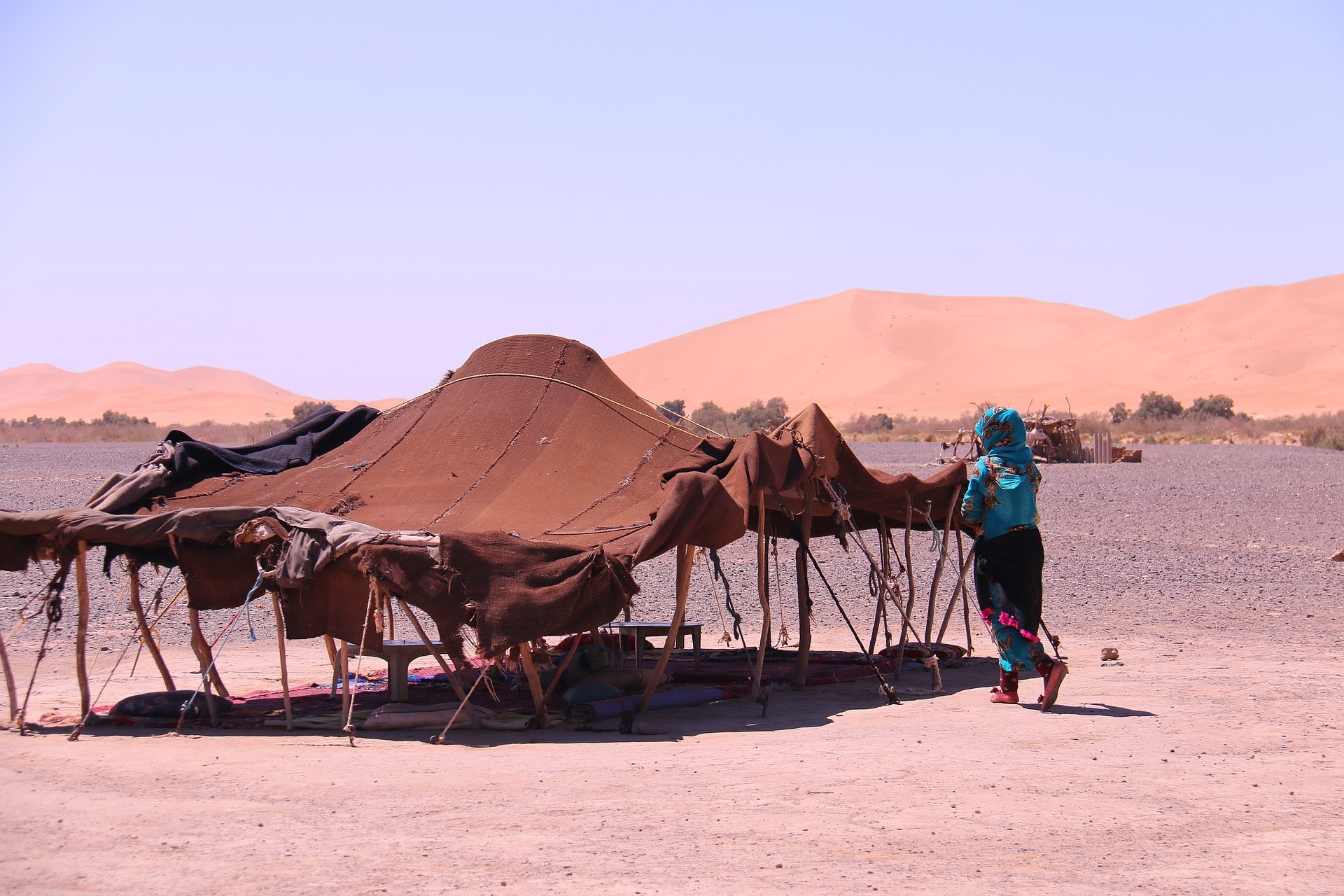
- The tent (khaima): a wooden frame covered with goat or camel-hair cloth, light and easy to take down. It protects from sun, wind and cold, and lets the family move when the grazing runs out. There are often small animal pens nearby, or a mud-brick hut for cooking and storage.
- Livestock: goats, sheep and dromedaries provide milk, meat, wool and hides and are the family’s main wealth, traded at markets when needed.
Daily life
Men often look after the herds, search for new pastures, check the wells and go to market, sometimes staying away for long periods. Women run the tent and the family’s resources, weave, cook and take many decisions: in Amazigh culture their role has traditionally been central.
Nomads today
Today many families are semi-nomadic, alternating time in the desert with time in villages or towns. When a family gives up nomadic life, it often settles in a village and the young people stay in school to find work. Around Merzouga you can still meet nomadic families and share tea in their tent, always with respect.
A few curiosities
- The Tuareg are known as the “blue men” because of the indigo dye of their turbans and veils, which sometimes stains the skin.
- Among the Tuareg it is the men, not the women, who veil their faces.
- Mint tea, served three times, is the ultimate gesture of hospitality.
On our desert tours you can get a close look at life in the Sahara.
More about Sahara on Wikipedia.
Keep reading
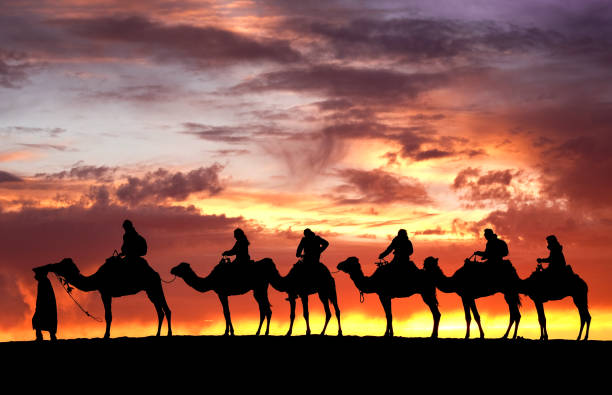 3 min readWhat to see in Merzouga, the heart of the desertWhat to see and do in Merzouga: the Erg Chebbi dunes, a night in a desert camp, Khamlia, oases, 4x4 trips and practical tips for the…Read article →
 2 min readMerzouga and Erg Chebbi: a desert guideGuide to Erg Chebbi in Merzouga: where it is, how to visit, hotel or desert camp, the best time to go and tours from Marrakech with…Read article →
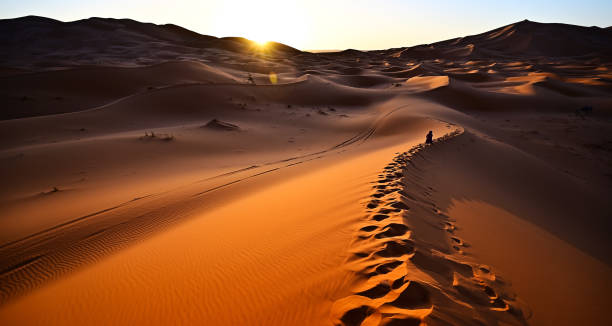 1 min readWhich desert should you visit in Morocco?Merzouga or Zagora? How to choose which Moroccan desert to visit depending on your time, and what a desert tour with a night in a tent…Read article →